
Artificial intelligence automation is transforming modern businesses faster than any previous technology revolution. In 2026, companies across healthcare, finance, retail, logistics, manufacturing, and customer service are using AI automation tools to reduce costs, improve productivity, and increase profits.
From automated customer support to predictive analytics and intelligent workflow management, AI-powered automation tools are helping organizations save millions of dollars annually.
Businesses that adopt AI automation gain a competitive advantage by streamlining operations, minimizing human error, reducing labor costs, and improving decision-making.
This guide explores how AI automation tools are saving companies millions in 2026 and why AI-driven business automation has become essential for long-term growth.
What Are AI Automation Tools?
AI automation tools use artificial intelligence, machine learning, and predictive algorithms to automate repetitive business tasks and operational workflows.
Unlike traditional automation software, AI systems can:
- Learn from data
- Adapt to changing patterns
- Make intelligent decisions
- Process natural language
- Predict future outcomes
- Analyze massive datasets
AI automation now powers everything from chatbots and cybersecurity to accounting systems and supply chain management.
Why Businesses Are Investing in AI Automation
Companies are under constant pressure to reduce operational costs while improving efficiency and customer experience.
AI automation helps businesses:
- Reduce labor expenses
- Eliminate repetitive tasks
- Increase operational speed
- Improve accuracy
- Scale faster
- Enhance customer service
- Prevent costly errors
According to industry reports, AI-driven automation is expected to contribute trillions of dollars to the global economy over the next decade.
Industries Benefiting Most From AI Automation
Healthcare
Hospitals and clinics use AI for:
- Patient scheduling
- Medical imaging analysis
- Automated documentation
- Predictive diagnostics
- Virtual healthcare assistants
Healthcare providers save millions by reducing administrative workloads and improving diagnosis accuracy.

Finance and Banking
Banks and financial institutions use AI automation for:
- Fraud detection
- Risk assessment
- Automated trading
- Loan approvals
- Customer support chatbots
AI systems can process financial data much faster than human analysts.
E-Commerce
Online businesses automate:
- Inventory management
- Product recommendations
- Customer support
- Dynamic pricing
- Marketing campaigns
AI-driven personalization significantly improves conversion rates and customer retention.
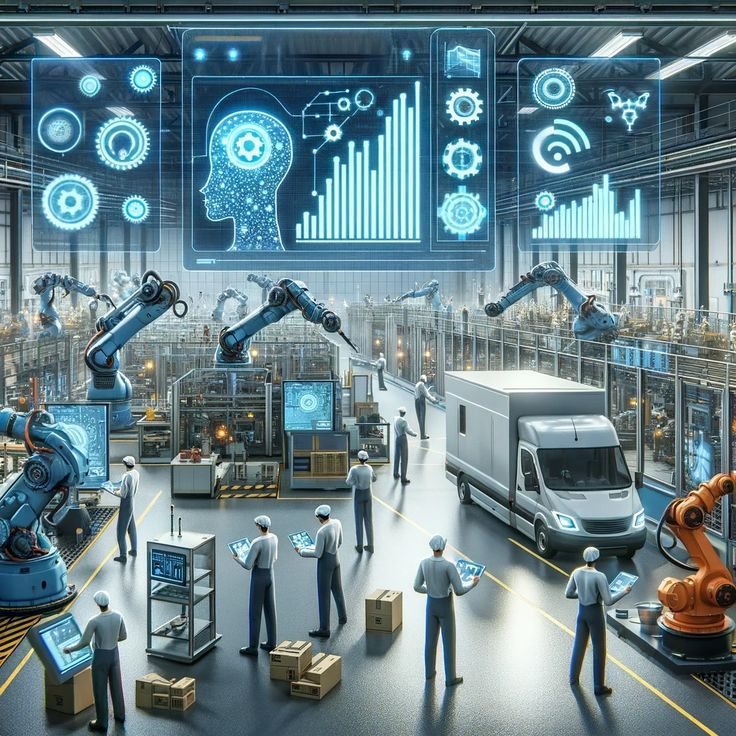
Manufacturing
Manufacturers use AI automation to optimize:
- Supply chains
- Predictive maintenance
- Quality control
- Production scheduling
- Robotics systems
AI reduces downtime and improves operational efficiency.
How AI Automation Tools Save Companies Millions
1. Reducing Labor Costs
One of the biggest advantages of AI automation is labor cost reduction.
Businesses automate repetitive tasks such as:
- Data entry
- Invoice processing
- Scheduling
- Customer support
- Email management
AI tools operate 24/7 without breaks, overtime, or human fatigue.
Companies can redirect employees toward higher-value tasks requiring creativity and strategic thinking.
2. Improving Customer Support
AI chatbots and virtual assistants dramatically reduce customer support costs.
Popular AI support platforms include:
- Zendesk AI
- Salesforce Einstein
- Intercom AI
- Freshworks Freddy AI
These tools handle thousands of customer inquiries simultaneously.
Benefits include:
- Faster response times
- Reduced staffing expenses
- Improved customer satisfaction
- 24/7 support availability
3. Preventing Human Errors
Human mistakes can cost businesses millions.
AI systems improve accuracy in:
- Financial calculations
- Compliance reporting
- Inventory tracking
- Data processing
- Fraud detection
Automation minimizes costly operational errors and improves reliability.
4. Enhancing Cybersecurity
AI-powered cybersecurity tools detect threats in real time.
Leading cybersecurity companies use AI for:
- Threat intelligence
- Malware detection
- Behavioral analysis
- Fraud prevention
- Network monitoring
Businesses avoid expensive data breaches and ransomware attacks through AI-driven security systems.

5. Optimizing Supply Chain Management
AI automation helps businesses manage inventory and logistics more efficiently.
Benefits include:
- Demand forecasting
- Warehouse automation
- Route optimization
- Inventory prediction
- Supplier management
Retailers and manufacturers reduce waste and operational costs significantly.
6. AI Marketing Automation
Marketing automation platforms use AI to optimize campaigns and improve ROI.
Popular AI marketing tools include:
- HubSpot
- Adobe Experience Cloud
- Mailchimp AI
- Semrush AI tools
AI marketing automation helps businesses:
- Personalize campaigns
- Predict customer behavior
- Improve lead generation
- Optimize ad spending
- Increase conversions
Companies save millions by targeting the right audience more efficiently.
7. Faster Business Decision-Making
AI analytics platforms process massive amounts of business data instantly.
Executives use AI dashboards for:
- Financial forecasting
- Market analysis
- Risk management
- Performance tracking
- Customer insights
AI-powered analytics improve strategic planning and business growth.
Top AI Automation Tools in 2026
| AI Tool | Primary Use |
|---|---|
| OpenAI ChatGPT Enterprise | AI productivity |
| Microsoft Copilot | Workflow automation |
| UiPath | Robotic process automation |
| Automation Anywhere | Enterprise automation |
| Jasper AI | Content generation |
| Notion AI | Productivity management |
| Zapier AI | Workflow integration |
| IBM Watson | Enterprise AI solutions |
AI Automation in Human Resources
HR departments use AI for:
- Resume screening
- Employee onboarding
- Payroll automation
- Performance analytics
- Recruitment chatbots
AI recruitment systems reduce hiring costs and improve candidate matching.
AI Automation for Small Businesses
Small businesses are increasingly adopting affordable AI tools.
Benefits for startups include:
- Reduced staffing needs
- Automated accounting
- AI customer support
- Marketing optimization
- Improved productivity
Cloud-based AI platforms make enterprise-grade automation accessible to small companies.
Challenges of AI Automation
Despite major advantages, AI automation also presents challenges.
Initial Implementation Costs
Advanced AI systems may require significant setup investments.
Employee Reskilling
Businesses must train employees to work alongside AI systems.
Data Privacy Concerns
AI systems require strong cybersecurity and data protection measures.
Future of AI Automation
AI automation is expected to expand rapidly over the next decade.
Key future trends include:
- Autonomous business systems
- AI-powered robotics
- Predictive business intelligence
- Hyperautomation
- Generative AI integration
- AI-driven cybersecurity
Companies investing early in AI automation are likely to dominate future markets.

Why AI Automation Is Essential in 2026
Businesses that ignore AI risk falling behind competitors.
AI automation delivers:
- Higher profitability
- Faster operations
- Better customer experiences
- Improved scalability
- Reduced operational risk
Companies using AI effectively gain long-term competitive advantages in increasingly digital industries.
Final Thoughts
AI automation tools are fundamentally reshaping how businesses operate in 2026. From reducing labor costs and improving customer support to enhancing cybersecurity and optimizing supply chains, AI is helping companies save millions annually.
Organizations that strategically adopt AI automation solutions can improve efficiency, scale faster, and remain competitive in a rapidly evolving global market.
As AI technology continues advancing, automation will become one of the most valuable investments businesses can make for future growth and operational success.