
Kylie Jenner’s career traces one of the most closely examined entrepreneurial arcs of the social media era. Born into the most photographed family in American reality television and introduced to national audiences as a child on Keeping Up with the Kardashians, she spent her teenage years growing up in front of cameras before turning that visibility into a cosmetics company that reshaped how beauty brands are built, marketed, and sold. Kylie Cosmetics, launched in November 2015 as a single $29 Lip Kit funded with $250,000 of her own modeling earnings, grew within a few years into a business Coty Inc. valued at $1.2 billion when it acquired a majority stake in 2019 — a transaction that remains one of the defining beauty-industry deals of the last decade.
This biography traces Jenner’s full story: her childhood as the youngest member of the Kardashian-Jenner family, her adolescence on Keeping Up with the Kardashians, the launch and growth of Kylie Cosmetics and its expansion into skincare, baby products, and fashion, the landmark and later contested Coty transaction, her transition to motherhood with Stormi and Aire Webster, and her continuing role on Hulu’s The Kardashians. It also addresses, directly and without sensationalism, the 2020 Forbes investigation that led the magazine to revoke her “youngest self-made billionaire” designation — a consequential and well-documented chapter in her business history that is treated here with the same factual rigor as her successes.
Where figures are still evolving — her net worth, her business ownership stakes, or her personal life — this article distinguishes verified facts from estimates, consistent with reporting from Forbes, Reuters, Bloomberg, the Business of Fashion, and other established outlets.
What distinguishes Jenner’s story most sharply from many of her reality-television-era peers, including her own siblings, is the sheer compression of her timeline: she launched a company that reached a $1.2 billion valuation before she turned 23, faced a highly public reversal of her billionaire status before she turned 24, became a mother for the first time at 20, and had built and sold a majority stake in a beauty company before most entrepreneurs in any industry have completed a first funding round. That compressed timeline has made her career an unusually concentrated case study — successes, controversies, and pivots that might unfold over a decade or more for a typical founder instead played out for Jenner within a period of just a few years, largely in full public view.
Introduction
Early Life and Family
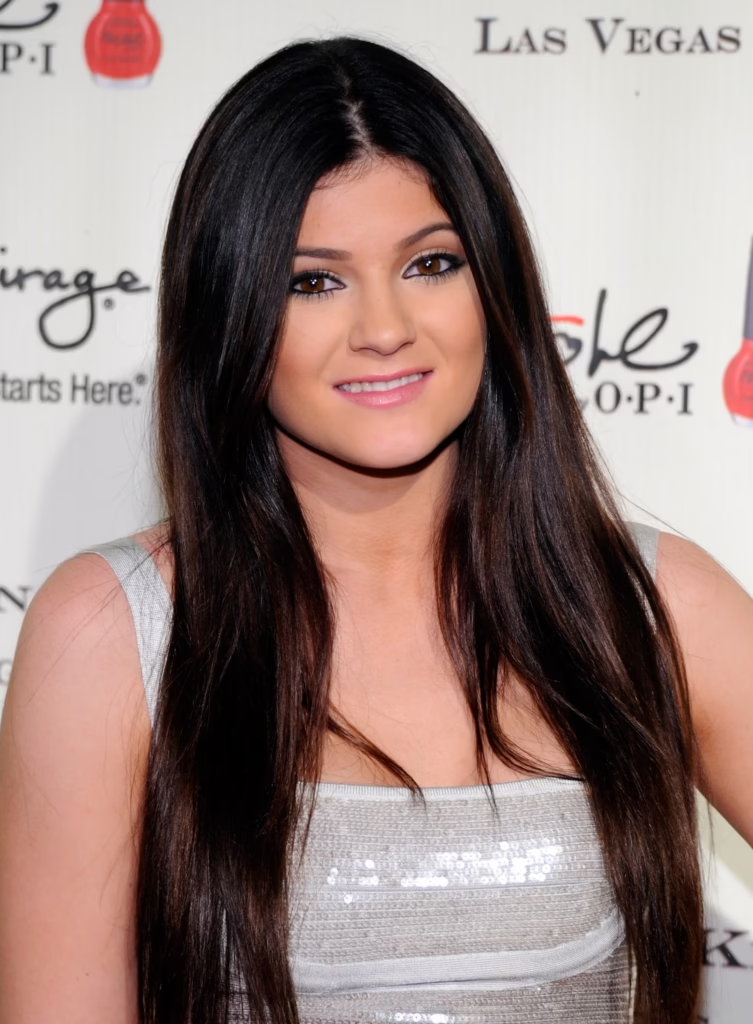
Kylie Kristen Jenner was born on August 10, 1997, in Los Angeles, California, the youngest child of Kris Jenner and Caitlyn Jenner (known as Bruce Jenner at the time of Kylie’s birth). She is the youngest of six children in the blended Kardashian-Jenner family: her mother’s four older children from her first marriage to Robert Kardashian are Kourtney, Kim, Khloé, and Rob Kardashian, while her closest sibling is her older sister Kendall Jenner. Caitlyn Jenner also has children from earlier marriages, giving Kylie additional half-siblings, including Brandon, Brody, Casey, and Burt Jenner and Cassandra Marino.
Jenner grew up in Calabasas and the greater Los Angeles area in a household that, unlike her older siblings’ early childhoods, was defined almost from birth by reality television cameras: Keeping Up with the Kardashians premiered when Jenner was just ten years old, meaning she came of age entirely within the show’s run rather than joining it as an adult, as her older half-siblings did. She has spoken in later interviews, including a March 2026 conversation with Vanity Fair, about how unusual that upbringing was, noting that she was around the same age as her own daughter Stormi when the family’s fame began and reflecting on how early that period shaped her sense of identity and privacy.
Family members and colleagues who worked with the Kardashian-Jenners during this period have described Jenner as notably observant and creatively minded even as a young teenager, often gravitating toward styling, makeup, and visual presentation years before those interests became the basis of a business. Kris Jenner, who has served as manager for each of her children’s individual ventures, has said in interviews that she recognized early signs of business instinct in her youngest daughter, though she has also acknowledged that no one anticipated the scale Kylie Cosmetics would eventually reach.
She was educated primarily through homeschooling during her teenage years, a decision she and her family have attributed to the demands of filming and public appearances, and she has said in interviews that she began developing an interest in makeup and personal style during her early teenage years, in part as a way of asserting control over her own image amid intense public scrutiny of her appearance. That scrutiny intensified around 2014 and 2015, when public speculation about changes to her lips — later confirmed by Jenner herself to be the result of lip fillers — became a significant, and at times difficult, media narrative. Jenner has since described that period candidly, saying the criticism affected her confidence but also, notably, became the direct inspiration for the product that would launch her business career.
The homeschooling arrangement also gave Jenner an unusual degree of flexibility to begin working during a period when most of her peers were still in traditional secondary school, a structural advantage she has referenced in interviews when discussing how she was able to begin developing Kylie Lip Kits, sourcing manufacturers, and overseeing product development while still a teenager. That early start — beginning serious business planning before she had reached legal adulthood — is a detail frequently cited in business press coverage of her career as distinguishing her from many other celebrity-founded brands, which are more typically launched by adult public figures with existing professional infrastructure already in place.
Rise Through Reality Television
Keeping Up with the Kardashians
Jenner appeared in Keeping Up with the Kardashians from its 2007 premiere on E!, initially as a supporting figure in storylines centered on her older siblings before gradually becoming a more prominent presence as she entered her teenage years. The series, developed and produced with her mother Kris Jenner as manager and executive producer, followed the extended Kardashian-Jenner family through both everyday and high-stakes moments, and its long run — 20 seasons across 14 years — meant that viewers effectively watched Jenner grow up in real time, from a preteen in the show’s early seasons to a young entrepreneur announcing her cosmetics line in later ones.
That sustained, unusually long-form visibility is frequently cited by media analysts as a key structural advantage behind Jenner’s later business success: by the time she launched Kylie Cosmetics in 2015, she had spent eight years building direct familiarity with a television and, increasingly, social media audience — a level of pre-existing brand recognition few entrepreneurs of any age have access to before founding a company.
As the show progressed through its later seasons, storylines involving Jenner shifted from typical adolescent milestones toward increasingly business-focused content, including behind-the-scenes looks at Kylie Cosmetics product development, packaging decisions, and launch events — content that functioned simultaneously as entertainment programming and, effectively, brand marketing. This blending of reality television storytelling with real commercial activity became a defining feature not just of Jenner’s segments but of the show’s broader format during its final seasons, as each of the Kardashian-Jenner sisters increasingly used their screen time to document their individual business ventures alongside personal storylines.
Spin-Offs and Family Brand
Jenner appeared across numerous Keeping Up with the Kardashians spin-offs and family specials over the course of the original series’ run, and the show’s ensemble format meant her business milestones — including the founding of Kylie Cosmetics — were documented as part of the broader family narrative, reinforcing the link between her personal brand and the family’s collective media presence.
Because Jenner was still a minor for much of the show’s early run, her storylines during that period were generally more limited in scope than those of her adult siblings, focusing on typical adolescent milestones such as school, friendships, and family relationships rather than the romantic and professional storylines that dominated coverage of her older siblings. As she entered her late teens, however, her role within the show’s storytelling expanded considerably, coinciding directly with the period in which she began developing and launching Kylie Cosmetics — a alignment between her personal development and her business timeline that gave the show’s audience an unusually direct, real-time view of an entrepreneur’s earliest commercial steps.
Transition to The Kardashians
Keeping Up with the Kardashians ended its original E! run in June 2021. In April 2022, the family launched The Kardashians on Hulu (and Disney+ internationally), produced in partnership with Ryan Murphy Productions and Kris Jenner’s Jenner Communications. The Hulu series has continued across multiple seasons, with Jenner remaining a regular cast member and using the platform to document both her business ventures — including Kylie Baby and Khy — and her personal life, including her relationships and motherhood. As of 2026, The Kardashians remains in active production, with reporting referencing an eighth season expected during the year.
The move from a traditional cable network to a streaming platform also coincided with a shift in the visual and narrative style of the family’s television presence, with The Kardashians adopting a more polished, cinematic production approach than its E! predecessor. For Jenner specifically, the new series has continued to serve a dual function similar to that of the original show during its later seasons: providing both a personal documentary record of her life as her family has grown and a recurring promotional platform for her expanding roster of businesses, reinforcing a media strategy that has remained consistent across both iterations of the family’s flagship series even as the specific platform and production style have evolved.
Business Trajectory Since the Coty Deal
Jenner has described the origin of her cosmetics business directly and consistently across interviews: after facing sustained public commentary about her lips, she began experimenting with lip liner and lip color techniques to enhance the appearance of fullness, and — recognizing that fans and followers were asking for the specific products and shades she used — decided to develop and sell a product of her own rather than simply continue answering questions about her routine.
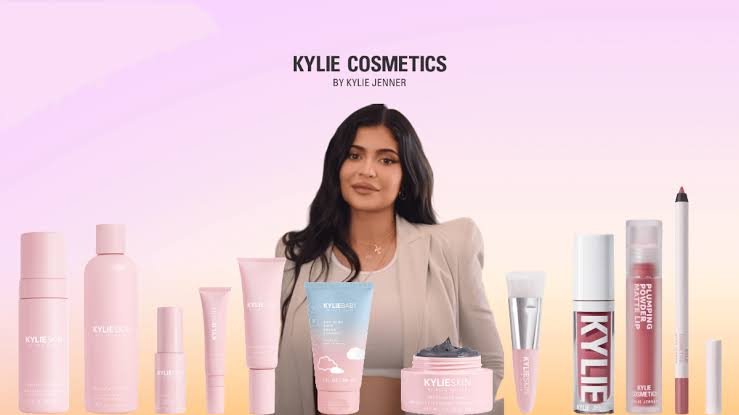
In November 2015, at age 18, Jenner launched Kylie Lip Kits, a $29 product pairing a matte liquid lipstick with a matching lip liner, funded with approximately $250,000 of her own earnings from modeling work. The initial batch of roughly 15,000 kits sold out within roughly a minute of going on sale, generating about $420,000 in revenue on launch day and immediately signaling that Jenner’s personal following could be converted into direct, high-velocity e-commerce sales — a dynamic that would define the brand’s growth strategy for years afterward.
The speed and scale of that initial sellout drew significant attention from retail and beauty industry observers, many of whom had not previously viewed a reality-television personality’s product line as a serious commercial proposition. Early coverage of the launch, including from beauty trade press, noted that the product itself — while simple in concept — was carefully targeted at addressing a specific, widely shared consumer desire that Jenner had identified through her own experience and her direct engagement with fans and followers online, rather than through traditional market research conducted by an established cosmetics company. That combination — a founder who was simultaneously the brand’s target customer, its product tester, and its primary marketing channel — became one of the most frequently cited structural explanations for Kylie Cosmetics’ unusually fast initial growth.
Kylie Cosmetics
Company Founding and Product Expansion
Following the original Lip Kits launch, the brand was renamed Kylie Cosmetics and expanded rapidly beyond lip products into eyeshadow palettes, blushes, highlighters, concealers, and broader complexion products. The company’s growth was almost entirely powered by direct-to-consumer e-commerce and Jenner’s personal social media following rather than traditional retail distribution or advertising spend in its early years — an approach that was still unconventional for a mass beauty brand in 2015 and 2016 and that business analysts have since credited with helping to popularize the influencer-led, direct-to-consumer model now common across the beauty industry.
Within roughly two years of launch, Kylie Cosmetics had grown from a single product line into a full-catalog cosmetics brand, a pace of category expansion that outstripped most comparable independent beauty startups of the period. Industry observers at the time attributed the rapid diversification partly to the low customer-acquisition cost inherent in Jenner’s marketing model: because new products could be announced directly to an already-engaged following of tens of millions of people rather than requiring a new advertising campaign to build awareness from scratch, the brand was able to test and scale new categories considerably faster, and at lower financial risk, than a traditionally marketed cosmetics line.
By the end of 2016, Kylie Cosmetics was reported to have generated more than $300 million in revenue, achieved with what analysts described as unusually high gross margins compared to traditional cosmetics companies, a reflection of the brand’s minimal advertising costs and its reliance on Jenner’s tens of millions of Instagram followers for marketing reach at essentially no incremental cost.
The company’s early operating model was notable for its lean structure: rather than building an extensive in-house manufacturing or retail infrastructure from the outset, Kylie Cosmetics worked with third-party manufacturers and fulfilled orders directly through its own e-commerce site, allowing the business to scale quickly without the overhead typically associated with launching a cosmetics company at that pace. This structure also meant that, unlike traditional beauty brands that built awareness gradually through retail placement and advertising campaigns, Kylie Cosmetics could sell out entire product runs within minutes of a launch, generating a scarcity-driven purchasing dynamic that became a recurring feature of the brand’s marketing — timed product drops, limited restocks, and social media countdowns that mirrored, and in some cases preceded, similar tactics later adopted across the streetwear and sneaker industries.
Sale of a Majority Stake to Coty
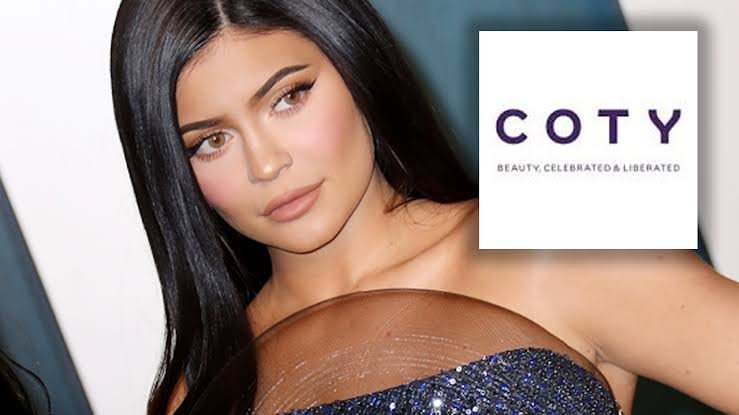
In November 2019, Coty Inc., the beauty and fragrance conglomerate, announced it would acquire a 51% majority stake in Kylie Cosmetics for $600 million in cash, a transaction that valued the full company at approximately $1.2 billion. Under the deal, Coty assumed overall operational and financial responsibility for the business, including its international expansion and category growth, while Jenner retained a significant minority ownership stake — reported at approximately 44% — and continued to lead the brand’s creative direction and communications. Jenner was 22 years old at the time of the announcement.
The Coty transaction was widely covered by financial and beauty-industry press as a milestone deal, both for its scale and for what it represented: one of the clearest early confirmations that a social-media-native, direct-to-consumer beauty brand could command a valuation comparable to established prestige cosmetics companies. Reporting from CNBC at the time of the announcement noted the deal fit into a broader wave of major beauty conglomerates acquiring buzzy, younger-skewing brands, alongside comparable acquisitions such as Estée Lauder’s purchase of Have & Be Co. and Shiseido’s acquisition of Drunk Elephant around the same period.
For Coty, the acquisition represented a strategic bet on Jenner’s continued cultural relevance and on the broader thesis that celebrity- and influencer-founded brands could be scaled using a large conglomerate’s existing manufacturing, distribution, and international retail relationships. For Jenner, the deal provided substantial liquidity — a reported $600 million cash payment for the majority stake — while allowing her to retain a meaningful ownership position and continued creative control, a structure her team and Coty both described at the time as designed to preserve the brand’s founder-driven identity even under new institutional ownership.
The Forbes Billionaire Dispute
In March 2019, Forbes named Jenner the youngest self-made billionaire in history at age 21, a designation that generated significant media attention and cemented her image as a singular entrepreneurial success story. In May 2020, however, Forbes published a detailed investigation reversing that assessment, alleging that Jenner’s team had provided the magazine with financial documents — including tax returns — that inflated the size and profitability of Kylie Cosmetics, and that the company’s actual 2018 revenue was substantially lower than what had previously been reported to Forbes. Forbes subsequently revised its estimate of Jenner’s net worth downward, and she has not appeared on the magazine’s billionaires list since.
Jenner’s representatives disputed the allegations at the time; on social media, Jenner herself characterized the investigation as containing “a number of inaccurate statements and unproven assumptions,” while an attorney representing her called the accusations “unequivocally false.” Forbes has stood by its reporting. The episode remains one of the most consequential and well-documented controversies of Jenner’s business career, and financial journalists covering her wealth in 2026 continue to reference it directly when explaining why her net worth estimates differ from the widely circulated 2019 billionaire figure.
The scale of the discrepancy Forbes identified was significant: the magazine’s investigation, drawing on Coty’s own subsequent public filings, indicated that Kylie Cosmetics’ actual annual revenue in the period examined was substantially smaller than the figures previously reported to and published by Forbes, with some estimates placing the gap in the hundreds of millions of dollars. Forbes initially revised its estimate of Jenner’s total net worth down to approximately $900 million immediately following the investigation, still a substantial fortune but below the billionaire threshold, and subsequent years of reporting have generally placed the figure lower still, in the $670–750 million range cited by most current sources.
Business ethics commentators and journalists covering the episode have generally framed it not as evidence of outright fraud on Jenner’s part personally, but as a case study in the broader difficulty of verifying financial claims made by privately held, celebrity-founded companies that are not subject to the same disclosure requirements as publicly traded businesses — a dynamic that recurs across coverage of other celebrity-founded ventures, including, in a different context, later reporting on the private valuations underlying SKIMS and other family members’ businesses.
Business Trajectory Since the Coty Deal
Coty’s integration of Kylie Cosmetics has been reported, in subsequent business press coverage including the Business of Fashion, as more complicated than either party initially anticipated, with some reporting from 2025 indicating that Jenner had explored the possibility of buying back Coty’s stake in the brand amid what sources described as a strained relationship between the beauty conglomerate and the Jenner team. As of Coty’s most recent public reporting, Kylie Cosmetics continues to operate within Coty’s prestige beauty portfolio alongside brands including Burberry, Gucci, and Marc Jacobs fragrances, with Coty describing growth in the brand under its ownership even as broader questions about the original 2019 valuation have remained part of the brand’s public narrative.
The reported friction described in Business of Fashion’s 2025 coverage centered partly on structural tensions common to celebrity-founder partnerships with large public companies: the lean, high-speed, social-media-driven decision-making that built Kylie Cosmetics’ early growth does not always translate easily into a large conglomerate’s approval processes, regulatory obligations, and risk-management practices. Analysts covering the beauty industry have noted that Coty faced broader financial pressures across its portfolio during this period, including softer consumer spending and challenges in its travel retail and Asia-Pacific businesses, factors that may have compounded tensions specific to the Kylie Cosmetics relationship rather than reflecting issues unique to that brand alone. Notably, Coty pursued a related but separate transaction in 2025, selling its 20% stake in Kim Kardashian’s SKKN beauty business back to Kardashian’s SKIMS company — a deal covered by Reuters that, while involving a different Kardashian-Jenner sibling’s business, was cited by some industry commentators as part of a broader pattern of Coty reassessing its portfolio of celebrity-founded beauty partnerships during this period.
International Expansion
Kylie Cosmetics expanded its retail distribution significantly under Coty’s ownership, moving from an almost entirely direct-to-consumer online model into wholesale partnerships with major beauty retailers and international markets — a shift that mirrored the broader strategic rationale Coty cited when acquiring its stake, namely using its existing global distribution infrastructure to scale a brand that had, until that point, grown almost entirely through Jenner’s own digital reach.
That transition also marked a notable change in the brand’s operating philosophy: where Kylie Cosmetics’ earliest years were defined by scarcity-driven online drops with limited restocks, its post-Coty retail expansion required a more conventional, continuous-supply approach suited to physical retail shelving and international wholesale relationships. Industry coverage has generally described this as a necessary trade-off for scaling the brand beyond its original direct-to-consumer ceiling, even as it moved the brand further from the exact model that had made it a standout success story in 2015 and 2016.
Other Business Ventures
Kylie Skin
Jenner launched Kylie Skin in May 2019 as a skincare line built around a small core range of cleansers, toners, moisturizers, and related products, positioned as an accessible, everyday complement to the more color-focused Kylie Cosmetics line. The brand faced early criticism over ingredient formulations and product naming, which Jenner and her team addressed through subsequent product adjustments, and it has continued to operate as a distinct line within her broader beauty portfolio. Unlike Kylie Cosmetics, which launched into an already color-cosmetics-saturated market with a specific, personally-inspired product, Kylie Skin entered a skincare category that was, by 2019, already crowded with both legacy dermatological brands and newer direct-to-consumer entrants, and industry coverage at the time noted that the brand’s growth trajectory was comparatively more modest than Kylie Cosmetics’ explosive early years.
Kylie Baby
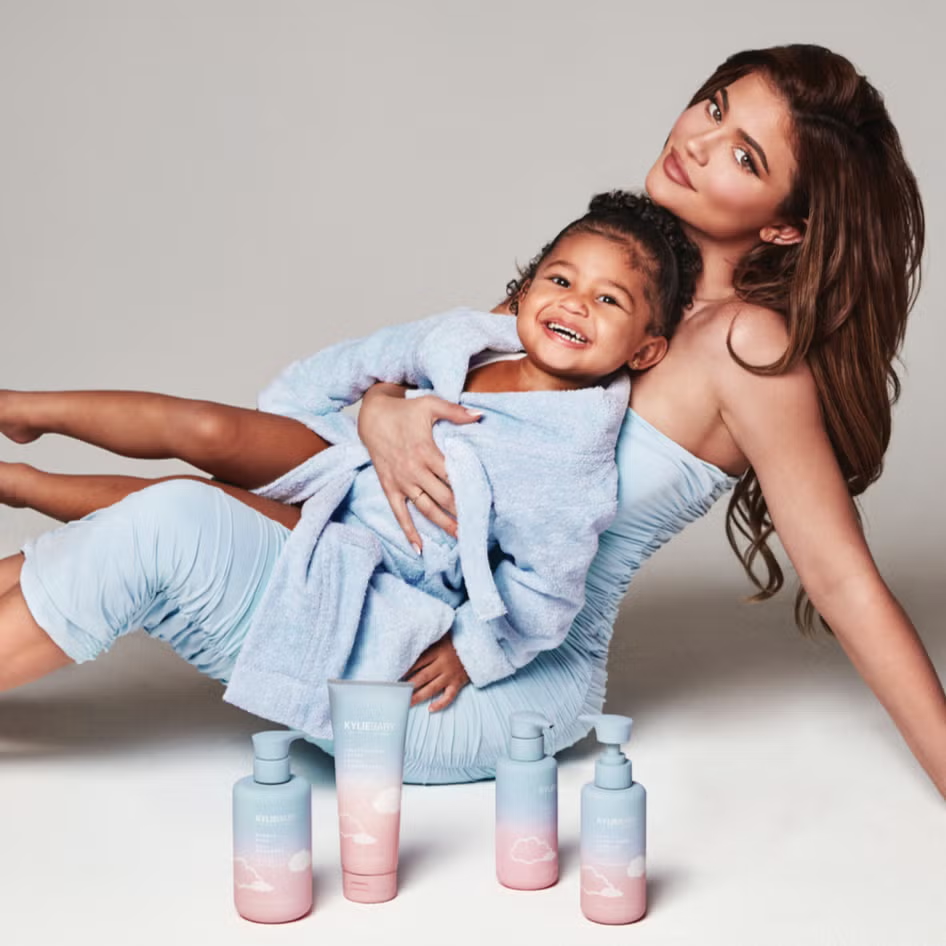
Following the birth of her son Aire in 2022, Jenner launched Kylie Baby in 2022, an infant and toddler care line covering products such as shampoo, lotion, and diaper care items, extending her brand into a new category directly tied to her own experience of motherhood — a pattern consistent with the personal-experience-driven product development approach she has used throughout her career, from lip products inspired by her own insecurities to baby products inspired by her own children. The launch was documented in part on The Kardashians, continuing the pattern established during the Keeping Up with the Kardashians era of using the family’s television platform to introduce new ventures directly to an existing audience.
Khy
In 2023, Jenner launched Khy, a fashion label built around a limited-edition “drop” model in which small batches of apparel are released on a recurring schedule rather than through a traditional continuous retail catalog — a structure designed to create urgency and scarcity similar to the dynamics that drove early Kylie Cosmetics sales. Khy represented Jenner’s first major venture outside the beauty category and has been covered by fashion trade press as an application of her existing direct-to-consumer playbook to ready-to-wear clothing. Early Khy collections emphasized minimalist, body-conscious silhouettes, and the brand’s launch drew comparisons in fashion trade coverage to the drop-based retail strategies more commonly associated with streetwear labels, reflecting Jenner’s continued preference for scarcity-driven product launches over conventional retail cadences across her ventures.
Fashion and Fragrance Collaborations
Beyond her own branded companies, Jenner has participated in fashion and beauty collaborations and brand partnerships over the course of her career, including past endorsement relationships with major athletic and fashion brands. Kylie Cosmetics has also expanded into fragrance and other adjacent categories under Coty’s ownership as part of the broader strategy to grow the brand beyond its original color-cosmetics core.
Social Media Influencer
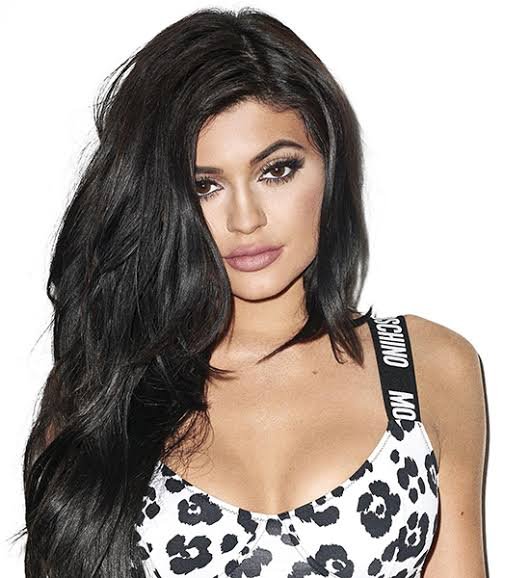
Jenner’s social media following is among the largest of any individual public figure, with hundreds of millions of followers across Instagram, TikTok, and X. That reach has functioned as the foundational marketing infrastructure for nearly every business she has launched: Kylie Cosmetics’ original Lip Kit launch relied almost entirely on her personal Instagram audience rather than paid advertising, and subsequent launches across Kylie Skin, Kylie Baby, and Khy have followed a similar pattern of using her own platforms as the primary distribution channel for new product announcements.
Marketing analysts and business journalists have consistently pointed to Jenner’s early use of this strategy — beginning when she was still a teenager, years before “influencer marketing” became a formalized industry term — as one of the clearest and most commercially significant examples of a direct-to-consumer, founder-led marketing model that has since become standard across the beauty and fashion industries. Her approach has also evolved with platform trends, incorporating short-form video content on TikTok and Instagram Reels, behind-the-scenes product development content, and continued use of Instagram Stories for real-time product drops and brand announcements.
Jenner has generally maintained a more private public posture regarding her personal relationships in recent years compared to earlier in her career, a shift she has attributed in interviews to wanting greater control over her personal narrative as her business responsibilities and her children have grown.
Academic and trade coverage of Jenner’s social media career has also noted a generational dimension to her influence: because her public following developed while she was herself still a teenager and young adult, her early content and marketing style closely tracked the platform habits of her core customer demographic in a way that felt organic rather than externally targeted — a dynamic that gave Kylie Cosmetics an authenticity advantage difficult for traditional beauty brands, run by executives outside their target demographic, to replicate through paid marketing alone. As she has moved into her late twenties and motherhood has become a larger part of her public content, some marketing commentators have noted a corresponding shift in her audience engagement strategy toward family- and lifestyle-oriented content alongside continued product marketing, mirroring broader trends among long-tenured influencers whose personal brands evolve alongside their life stages.
Fashion and Beauty Influence
Jenner’s influence on beauty trends has been most concretely documented in the areas of lip-focused cosmetics — with Kylie Cosmetics’ original Lip Kits widely credited in beauty trade press with helping to popularize a broader mid-2010s trend toward fuller-lip, matte-lip aesthetics — and in the direct-to-consumer distribution model her company helped popularize industry-wide. Her red carpet and public style choices, including recurring collaborations with stylists and designers across major fashion weeks and award shows, have also been covered extensively by Vogue, Harper’s Bazaar, and other fashion publications as influential within the broader “Kardashian-Jenner aesthetic” that has shaped mainstream fashion and beauty trends since the mid-2010s.
Fashion and beauty industry commentary on Jenner’s influence has generally been more mixed than commentary on her business execution: while her ability to launch and sell products at scale through personal branding is widely acknowledged, some critics and industry analysts have also noted that her most durable industry impact may be structural — reshaping how beauty brands are built and marketed — rather than aesthetic, given how quickly cosmetics and fashion trends themselves have continued to shift since Kylie Cosmetics’ 2015 launch.
Jenner’s public style has also evolved considerably since her teenage years, with fashion press coverage tracking a shift from the heavily contoured, dramatic makeup aesthetic associated with Kylie Cosmetics’ earliest years toward what stylists and beauty writers have more recently described as a comparatively softer, more polished approach to both her personal look and, correspondingly, some of her brand’s later product formulations. That evolution has itself become a subject of beauty trade coverage, with some writers framing it as reflective of broader industry movement away from the heavily filtered, maximalist beauty standards of the mid-2010s toward the more understated aesthetic that gained prominence in fashion and beauty media during the early-to-mid 2020s.
Television and Media Projects
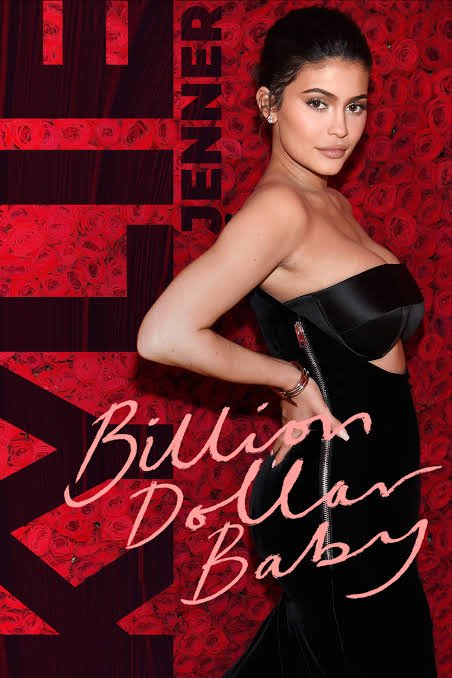
Jenner’s media career remains centered on reality television, primarily through her role as a cast member and, at times, executive presence on The Kardashians on Hulu, where her business ventures and personal life continue to be documented alongside those of her mother and siblings. She has also made guest appearances across talk shows, award ceremonies, and brand campaign content tied to her cosmetics and fashion businesses, though — unlike her sister Kim Kardashian — she has not pursued scripted acting roles as part of her media career to date.
Jenner has also appeared in podcast interviews and long-form media features discussing her business strategy and personal life, including a notable 2026 appearance on the Big Bro with Kid Cudi podcast in which she discussed balancing motherhood with her business responsibilities, and a March 2026 Vanity Fair cover interview in which she discussed her long-term family and career plans.
Unlike her sister Kim Kardashian, who moved into scripted television roles on American Horror Story and All’s Fair in the mid-2020s, Jenner’s media presence has remained concentrated in unscripted and brand-adjacent formats. Entertainment journalists covering the broader Kardashian-Jenner family’s evolving media strategy have noted this as a deliberate divergence in how the two sisters have chosen to extend their public platforms beyond The Kardashians — Kardashian toward scripted acting and legal advocacy, and Jenner toward an expanding portfolio of consumer product ventures, with her television appearances continuing to function primarily as a vehicle for documenting those businesses rather than as a distinct acting career in their own right.
Awards and Recognition
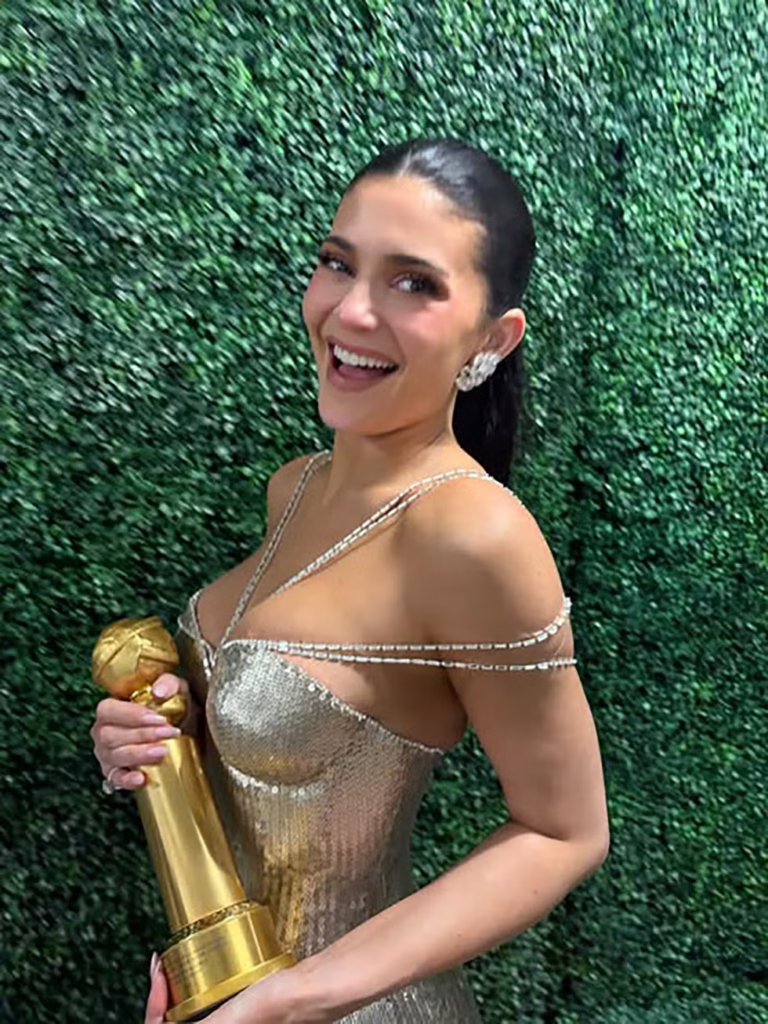
Jenner’s award recognition spans entertainment and business categories, reflecting her dual profile as both a reality television personality and a beauty entrepreneur:
- Multiple Teen Choice Awards recognitions during the peak years of her reality television visibility.
- People’s Choice Awards nominations tied to her social media and reality television presence.
- Coverage and rankings from Forbes tracking her business ventures, including her prominent, later-revised placement on the magazine’s billionaires and self-made women lists.
- Beauty industry trade recognition for Kylie Cosmetics’ commercial performance and its role in shaping direct-to-consumer beauty retail.
Because award recognition in the entertainment and business press changes from year to year, readers seeking a comprehensive, continuously updated list should consult contemporaneous reporting from Forbes, the People’s Choice Awards, and major beauty and fashion trade publications.
As with her business coverage more broadly, Jenner’s award recognition reflects a career that has moved through distinct phases: her Teen Choice Awards recognitions cluster in the years when she was primarily known as a reality television personality and teenage public figure, while her more recent Forbes and business-press coverage — including both her initial billionaire recognition and its later reversal — reflects her transition into a figure evaluated primarily on entrepreneurial and financial terms. That shift in the nature of her public recognition, from entertainment-industry awards toward business-press scrutiny, mirrors the broader arc of her career from reality television personality to beauty industry entrepreneur.
Business Ventures (Summary)
- Kylie Cosmetics — color cosmetics and beauty brand founded in 2015; Jenner retains an approximately 44% ownership stake following Coty’s 2019 acquisition of a 51% majority interest.
- Kylie Skin — skincare line launched in 2019.
- Kylie Baby — infant and toddler care line launched in 2022 following the birth of her son Aire.
- Khy — fashion label launched in 2023, built around a limited-drop retail model.
- Endorsements and brand partnerships — including past relationships with major fashion and athletic brands.
Net Worth
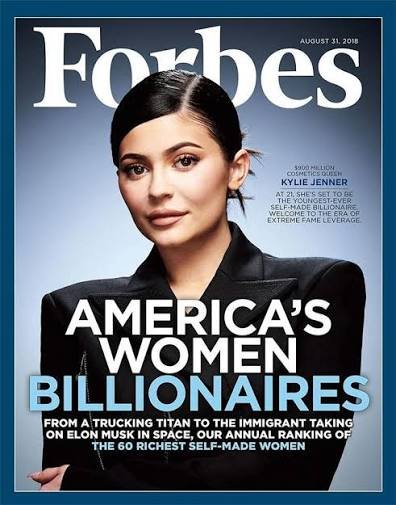
Jenner’s net worth is estimated at approximately $670 million to $750 million as of 2026, according to estimates from Forbes and Celebrity Net Worth, making her the second-wealthiest member of the Kardashian-Jenner family behind her sister Kim Kardashian, whose fortune is estimated in the $1.7–1.9 billion range. The gap between the two sisters’ fortunes is frequently cited by financial journalists as an instructive contrast in business strategy: Kim Kardashian retained a larger long-term equity position in SKIMS and delayed a major funding transaction until the company’s valuation had grown substantially, while Jenner sold a 51% majority stake in Kylie Cosmetics relatively early in the brand’s growth, in a deal that valued the company at $1.2 billion at the time but that Forbes later argued reflected an inflated picture of the underlying business.
The primary components of Jenner’s estimated net worth are her roughly 44% retained ownership in Kylie Cosmetics, the approximately $340 million in after-tax proceeds she is estimated to have received from the 2019 Coty transaction, real estate holdings reported at over $80 million, and ongoing income from her other ventures, including Khy and Kylie Baby, along with endorsement and media income. As with all privately held business interests, these figures represent informed estimates rather than audited totals — a distinction underscored by the 2020 Forbes investigation, which demonstrated directly how significantly reported and actual figures for a privately held celebrity business can diverge.
Financial commentators covering the Kardashian-Jenner family’s collective wealth in 2026 have noted that Jenner’s fortune, while substantial by nearly any conventional measure, illustrates a wider point about the difference between headline valuations at the time of a transaction and a business’s demonstrated performance in the years that follow. The 2019 Coty deal valued Kylie Cosmetics at $1.2 billion; six years later, with the underlying revenue figures having been revised downward by Forbes’ investigation and subsequent reporting describing a strained corporate relationship, the effective value of Jenner’s retained stake is generally estimated well below what a simple extrapolation from the original transaction price might suggest. This has made Jenner’s financial trajectory a frequently cited counterpoint in business coverage that also profiles her sister Kim Kardashian’s SKIMS, where a later, larger institutional funding round and a retained founder stake closer to one-third of the company have produced a markedly different growth trajectory for a comparably structured celebrity-founded consumer brand.
Family and Personal Life
Parents and Siblings
Jenner is the youngest child of Kris Jenner and Caitlyn Jenner, and the youngest of six siblings across her mother’s two marriages, including half-siblings Kourtney, Kim, Khloé, and Rob Kardashian and her closest-in-age sister, Kendall Jenner. She remains closely involved in the family’s collective media and business activities, appearing regularly alongside her mother and siblings on The Kardashians and in joint family ventures and public appearances.
Jenner and Kendall Jenner, close in age and both born after their parents’ marriage, have frequently been described in family coverage as having an especially close relationship compared to the wider sibling group, having grown up in the same household together for their entire childhoods, unlike their older half-siblings who were raised primarily in Robert Kardashian’s household following their parents’ 1991 divorce before the blended family later reunited. Kris Jenner has continued to serve as manager for Kylie Jenner’s business ventures, as she has for each of her children’s individual ventures, and has been credited in business press coverage with playing a hands-on role in early strategic decisions around Kylie Cosmetics, including its initial retail and marketing approach.
Relationships
Jenner’s most publicly documented past relationship was with rapper Travis Scott, whom she met at the Coachella music festival in 2017. The couple welcomed their first child, daughter Stormi, in February 2018, and their second child, son Aire (originally announced under the name Wolf before the name was changed), in February 2022. Jenner and Scott’s relationship ended for a final time in January 2023, according to contemporaneous People reporting, though the two have continued to co-parent their children, including jointly celebrating milestones such as birthdays.
The relationship with Scott was notable for its on-and-off pattern over several years, with the couple separating and reconciling more than once between 2017 and their eventual final split, a dynamic that was covered extensively across entertainment media throughout that period. Despite the relationship’s eventual end, both Jenner and Scott have spoken publicly and favorably about their co-parenting relationship in the years since, with Jenner describing the arrangement in various interviews as amicable and prioritizing stability for Stormi and Aire above the complexities of the earlier romantic relationship.
Since 2023, Jenner has been in a relationship with actor Timothée Chalamet, whom she began dating in April of that year. The relationship has become increasingly public over time, including joint red-carpet appearances during the 2025–2026 awards season; Chalamet publicly thanked Jenner during his acceptance speech after winning Best Actor at the Critics’ Choice Awards in January 2026, referring to her as his “partner of three years.” In a March 2026 interview with Vanity Fair, Jenner discussed her approach to expanding her family in the years ahead, saying she intends to spend the remainder of her twenties focused on her children, her businesses, and her work, while also indicating an interest in having more children in the future. Reporting on the relationship has generally described Jenner as intentionally more private about this relationship than she was about earlier ones documented extensively on Keeping Up with the Kardashians, including a deliberate, gradual approach to introducing Chalamet to her children.
Sources close to the couple, cited in coverage from Us Weekly and other outlets, have described Chalamet as having formed a genuine bond with Stormi and Aire over the course of the relationship, though reporting also indicates the couple has kept elements of their domestic life — including their living arrangements — relatively separate even three years into the relationship, splitting time between both of their homes rather than fully cohabiting. Chalamet has also referenced the relationship publicly in creative work, including a cheeky lyric on a December 2025 song release that alluded to the financial disparity between his own earnings and Jenner’s considerably larger net worth, a moment widely covered in entertainment press as an example of the couple’s public visibility even amid Jenner’s generally more private approach to the relationship compared to her earlier, more extensively televised partnerships.
Children
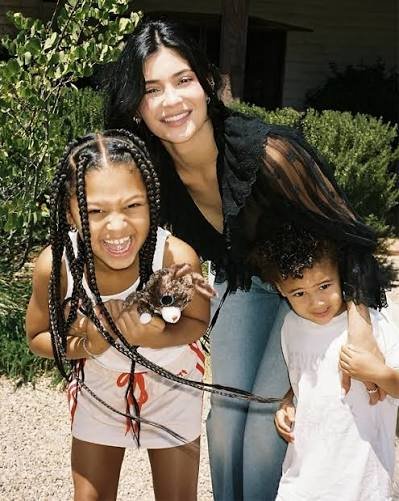
Jenner has two children with Travis Scott: Stormi Webster, born February 1, 2018, and Aire Webster, born February 2, 2022. She has spoken in interviews about the ways her own childhood in front of television cameras has shaped her approach to raising her children with greater intentional privacy, while still sharing curated glimpses of family life across her social media platforms and on The Kardashians. In a 2026 podcast appearance, Jenner described herself, somewhat to her own surprise, as the stricter parent in her household, and has spoken about maintaining a consistent daily routine with her children alongside her business responsibilities.
Stormi, now approaching her ninth birthday, has occasionally appeared in family content on Jenner’s social platforms, including cooking and daily-routine videos posted in 2026, and Jenner has described her daughter as increasingly aware of and curious about the family’s public profile — a dynamic Jenner has said she thinks about carefully given her own experience of growing up in the spotlight at a similar age. Aire, the younger of the two children, has been kept more consistently out of the public eye, appearing more rarely in Jenner’s public content, consistent with a broader pattern across the extended Kardashian-Jenner family of shielding younger children somewhat more than older ones who came of age during earlier, less privacy-conscious phases of the family’s media strategy. Jenner and Travis Scott have continued to co-parent the two children on an amicable basis following their final separation in 2023, including jointly organizing shared birthday celebrations and coordinating family outings, such as Scott bringing Stormi and Aire to a 2026 World Cup match in his hometown of Houston.
Philanthropy
Jenner’s philanthropic activity has generally been less publicly documented in scale and structure than that of some of her siblings, though she and her family have participated in charitable giving tied to children’s causes, disaster relief efforts, and community initiatives consistent with broader patterns among the extended Kardashian-Jenner family. Kylie Cosmetics and her other brands have periodically supported charitable partnerships and limited-edition product releases benefiting specific causes, a common practice within the beauty industry. As with several aspects of her personal finances, comprehensive, independently audited figures for her total charitable giving are not publicly available, and her philanthropic profile should be understood as less extensively documented in press coverage than her business ventures or family life.
This relative lack of a singular, headline advocacy cause distinguishes Jenner’s public profile somewhat from that of her sister Kim Kardashian, whose criminal justice reform work has become a defined and recurring element of her public identity. Jenner’s public-facing engagement has instead tended to center more narrowly on cause-specific giving tied to particular moments — natural disasters, children’s hospitals, and similar time-bound needs — rather than a sustained, singular advocacy platform, a pattern more common among entertainment figures whose primary public identity centers on business and family life rather than policy-focused activism.
Influence on Beauty and Business
Kylie Cosmetics is widely cited in business and marketing literature as one of the clearest early examples of a direct-to-consumer brand built almost entirely on a founder’s personal digital following rather than traditional retail distribution or advertising. That model — product drops timed to social media cycles, minimal reliance on paid media, and a founder acting as the brand’s primary marketing channel — has since become a standard playbook across the beauty and fashion industries, adopted by both independent founders and, increasingly, brands launched by major beauty conglomerates seeking to replicate the approach.
Jenner’s career is also frequently discussed alongside the broader rise of “social commerce,” the direct integration of shopping functionality into social media platforms, given that Kylie Cosmetics’ original growth predated much of the infrastructure — native in-app checkout, creator storefronts, and livestream shopping — that platforms later built specifically to support exactly the kind of high-velocity, audience-driven sales her brand demonstrated as possible in 2015 and 2016.
At the same time, the 2020 Forbes investigation into Kylie Cosmetics’ reported financials has become its own frequently cited case study, used by business journalists and academics as a cautionary example of the gap that can exist between a privately held, founder-led company’s public narrative and its underlying, independently verifiable financial performance — a tension that remains part of ongoing broader conversations about transparency in celebrity-founded and influencer-driven businesses.
Beauty industry analysts have also pointed to Jenner’s career as an early indicator of a broader shift in how prestige and mass-market beauty conglomerates approach acquisitions, with major players including Coty, Estée Lauder, and Shiseido each pursuing acquisitions of younger, digitally native brands during the same period Kylie Cosmetics was acquired — a wave of consolidation that business press coverage has directly linked to the demonstrated success of Jenner’s original direct-to-consumer model. In that sense, Kylie Cosmetics’ influence extends beyond its own brand performance to the broader strategic playbook it helped validate for an entire category of acquisitions across the beauty industry in the years since.
Legacy
As of 2026, Kylie Jenner remains an active entrepreneur, media figure, and parent, which makes any full assessment of her legacy necessarily provisional. What can be said with confidence, based on the verified record of her career to date, is that Kylie Cosmetics represents one of the most commercially significant and widely studied examples of a beauty brand built through direct, founder-led social media marketing rather than traditional advertising and retail distribution — a model whose influence extends well beyond her own company and is now a standard reference point in discussions of modern beauty industry marketing.
Her career is also a notable case study in the risks and complications of celebrity-founded businesses once they scale to a size requiring institutional partnership: the 2019 Coty transaction generated one of the largest and most closely covered deals in recent beauty industry history, and the subsequent 2020 Forbes investigation and later reporting on strain in the Coty relationship illustrate how a founder’s public narrative and a company’s underlying financial reality can diverge — and how that divergence, once exposed, can meaningfully reshape public and financial understanding of a business’s value.
Culturally, Jenner’s career is frequently discussed as a defining example of a media personality who came of age entirely within the reality television and social media era rather than transitioning into it as an adult, giving her business career a structural head start — built-in audience recognition from childhood — that is difficult for later imitators to replicate. As her focus shifts in the coming years toward family life alongside her continuing business ventures, her career to date already offers a well-documented case study in both the opportunities and the structural vulnerabilities of founder-led, social-media-native entrepreneurship.
Business school case studies and marketing curricula have increasingly incorporated Kylie Cosmetics’ full arc — not only its explosive early growth but also the Forbes financial controversy and the later reported friction with Coty — as a more complete and instructive narrative than the simpler “teenage self-made billionaire” story that first brought Jenner global business attention in 2019. That fuller narrative, covering both the demonstrated commercial power of founder-led social media marketing and the governance and transparency challenges that can accompany it, is likely to remain the primary lens through which her business legacy is assessed regardless of how her later ventures, including Khy and Kylie Baby, ultimately perform. Her personal life, particularly her approach to motherhood and her stated intentions around family privacy following a childhood spent almost entirely in public view, has also become an increasingly prominent thread in coverage of her, suggesting that assessments of her broader legacy in the years ahead may weigh her personal choices around privacy and family alongside her business record.
Complete Life Timeline
| Year | Event |
| 1997 | Born August 10 in Los Angeles, California |
| 2007 | Keeping Up with the Kardashians premieres on E!, featuring Jenner at age 10 |
| 2014–2015 | Public speculation and later confirmation of lip fillers |
| 2015 | Launches Kylie Lip Kits (later renamed Kylie Cosmetics) in November |
| 2017 | Begins relationship with Travis Scott |
| 2018 | Daughter Stormi Webster born (February 1) |
| 2019 | Launches Kylie Skin (May); Forbes names her youngest self-made billionaire (March); Coty acquires 51% stake in Kylie Cosmetics for $600 million (November) |
| 2020 | Forbes retracts billionaire designation following financial investigation |
| 2021 | Keeping Up with the Kardashians ends its E! run |
| 2022 | The Kardashians premieres on Hulu; son Aire Webster born (February 2); launches Kylie Baby |
| 2023 | Final split from Travis Scott confirmed; launches fashion label Khy; begins relationship with Timothée Chalamet (April) |
| 2025 | Reported exploration of buying back Coty’s Kylie Cosmetics stake |
| 2026 | Continues on The Kardashians; discusses future family plans publicly with Vanity Fair |