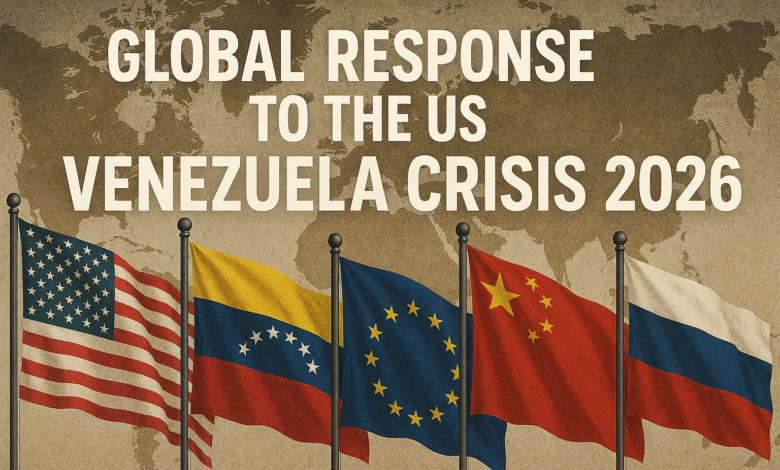
Global Response to the US Venezuela Crisis 2026: In a stunning turn of events. The United States launched a high stakes operation that shook the very foundations of Latin America. President Nicolás Maduro was captured in a swift and daring strike leaving the world in shock and suspense. Tensions are soaring borders are on alert and the future of Venezuela hangs by a thread.
🇻🇪 What Just Happened? A Crisis That Broke the World’s Calm
On January 3, 2026 the world woke up to explosions in Caracas jets cut through the pre dawn sky. And satellite images lit up with sudden military activity near Venezuela’s capital. Within hours, the unthinkable had occurred. United States launched a large scale military strike against Venezuela. They captured President Nicolás Maduro and his wife Cilia Flores and flew them out of the country. An event that few analysts saw coming and many feared most. This explosive saga has left leaders bewildered citizens terrified and the global order shaken. What began as diplomatic tension has exploded into one of the most dramatic international incidents in decades. READ MORE
Operation Absolute Resolve: Military Strike and Capture
According to multiple verified sources the U.S military under Operation Absolute Resolve coordinated a strike involving over 150. Tactical aircraft on key Venezuelan installations including military bases and government buildings. Within hours elite U.S special forces had extracted Maduro and his wife detaining them and transporting them to New York to face charges on corruption and narcoterrorism.
This marked an astonishing escalation after months of pressure campaigns including sanctions tanker seizures and diplomatic ultimatums.
The U.S government claims with formidable rhetoric that Maduro was involved in drug trafficking and organized crime networks branding his regime as a threat to hemispheric security.
Yet Venezuela its people and a multitude of world governments have screamed that what the U.S, did is nothing short of aggression abduction and outright violation of sovereignty.
The Tragic Human Toll and the Casualties We Know So Far
The cost of this conflict is not merely political it is gut‑wrenching human reality. Independent reports indicate that U.S strikes which included missile and air operations led to at least 80 Venezuelan soldiers and civilians killed during the assault.
At the same time, Cuba an ally of Venezuela announced that 32 Cuban militay. Police officers were killed in the operation which has sparked outrage and mourning in Havana.
Amid this bloodshed Venezuelans in the U.S and other countries were thrown into an emotional storm from celebration in Queens “Little Caracas” over Maduro’s capture to disbelief and fear for loved ones still living in Venezuela’s war torn streets.
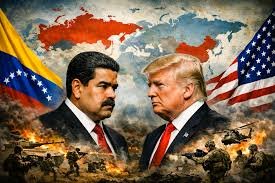
The U.S. Justification: Drugs, Terrorism and Security
The Trump administration has repeatedly framed its actions as necessary for national and hemispheric security. Officials claimed Maduro’s government facilitated narco‑terrorists, drug cartels and destabilizing forces that threatened the United States and its allies.
This narrative was used to justify:
- Threats of additional military actions if Venezuela didn’t “cooperate”
- Sanctions on Venezuelan oil companies and tanker seizures
- Designating the “Cartel of the Suns” and Maduro’s inner circle as terrorists
- Supposed strikes on alleged drug trafficking networks tied to state apparatuses
Yet independent experts have called these claims unsupported or exaggerated noting a lack of transparent evidence particularly around drug trafficking numbers cited by U.S officials.
Whether these security narratives hold or not they have directly fueled the most explosive international confrontation in decades.
The World Reacts: Outrage, Fear and Global Tension
The global reaction has been dramatic and polarized:
Condemnations and alarm:
Germany, Chile, Colombia, Mexico, Brazil, Spain and others have criticized the U.S. strikes calling for diplomacy and peaceful resolution.
- A joint statement by several Latin American governments labeled the operation a dangerous precedent, illegal under international law and highly destabilizing.
Support and strategic backing:
- A few nations have expressed support for the overthrow of Maduro emphasizing his dictatorship and human rights abuses.
The United Nations Security Council is expected to debate the incident rapidly with some ambassadors already calling for immediate ceasefire measures and humanitarian protections. READ MORE
Political Fallout in Venezuela: Leadership Without a Leader
In the immediate aftermath Venezuelan Vice President Delcy Rodríguez was sworn in as acting president and issued a public call for diplomatic collaboration while condemning the U.S actions.
However, Venezuela’s military leadership notably Defence Minister Vladimir Padrino López and other senior figures have rejected the legitimacy of Maduro’s abduction. The political situation remains deeply unstable.
Regional Consequences: Refugees, Borders and Fear
Neighbors like Colombia are in a state of alarm reinforcing borders and preparing for refugee flows should instability escalate.
In the U.S changes to migration policy, such as allowing Venezuelans to apply. For refugee status after revoking protections have generated political and legal debate.
It is not just a crisis between two nations. One that sends seismic ripples through immigration, economics, military alliances and regional security.
Oil, Power and Geopolitics: The Invisible War
Venezuela holds some of the largest oil reserves on Earth, and energy has long been a central factor in U.S Venezuela relations. In late 2025 the U.S imposed fresh sanctions on Venezuelan oil firms and blocked key tankers.
Oil markets reacted with prices rising amid geopolitical uncertainty and strategic military monitoring of vessels near Venezuelan ports.
Critics argue that behind every public rationale, control of oil resources influence in the energy market and broader geopolitical strategy are at play.
What Happens Next? Suspense, Uncertainty and the World on Edge
Historians may look back on January 2026. As a turning point a moment when U.S military action reshaped a region challenged the norms of sovereignty.
Will:
- Venezuela descend further into chaos?
- International courts judge the legality of the U.S operations?
- A renegotiated diplomatic path emerge?
- Latin America unify against foreign intervention?
- Global alliances realign around this crisis?
At this moment, no one truly knows. But one thing is certain: this is not just another headline it is history being written in real time.
Final Thoughts: Reality Behind the Headlines
The 2026 U.S Venezuela crisis involves factors that have been developing for several years and include authoritarian rule, international law, geopolitics, energy policies and national sovereignty.
However, there is more to the drama of oppositional strikes and politics than meets the eye, and beyond all of that are regular people Venezuelan families civilians who happen to find themselves in the line of fire and global citizens who happen to bear some semblance of witness to a domino effect.
History will judge this chapter not only by political outcomes but by the lives affected the laws rewritten and the morals tested.